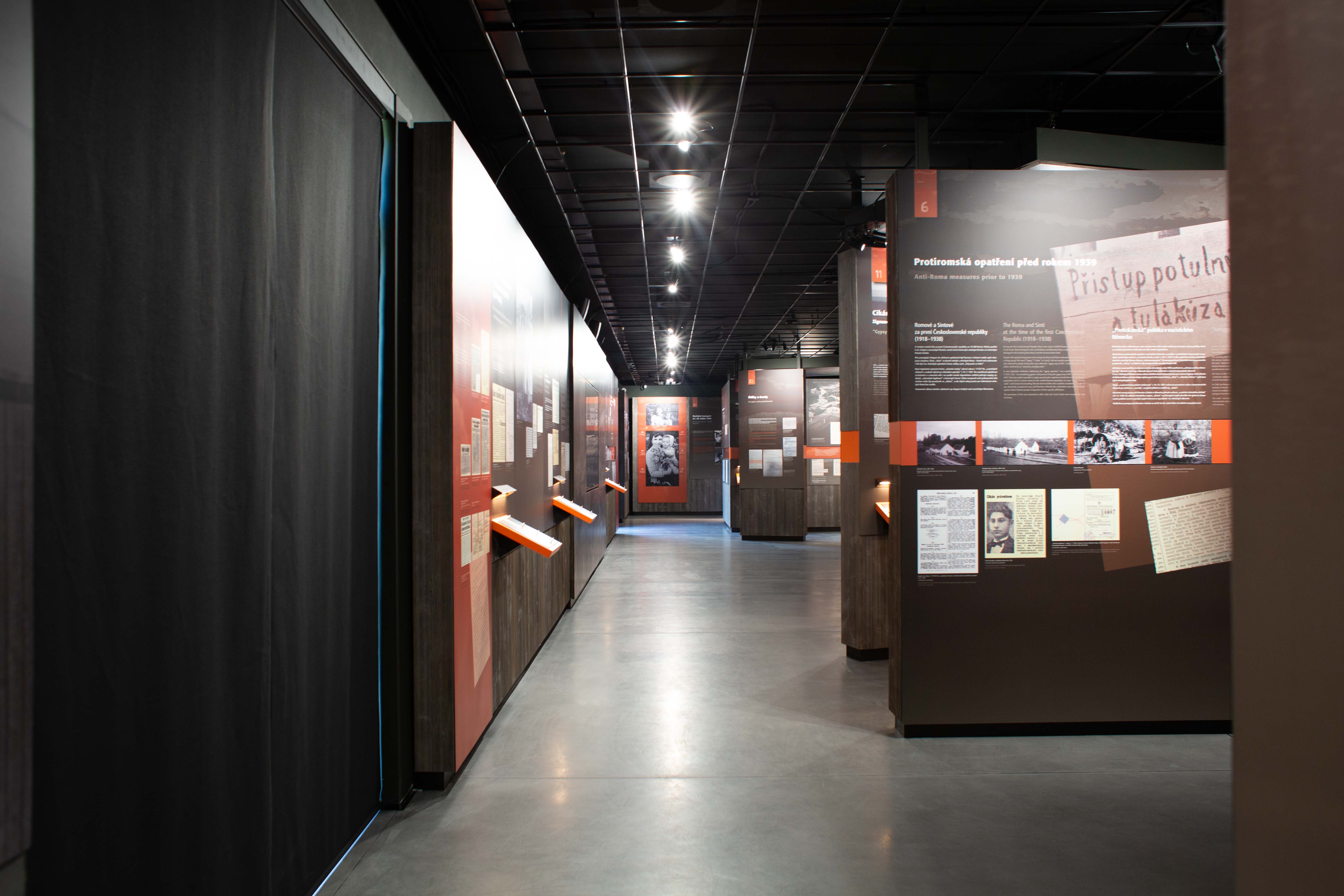
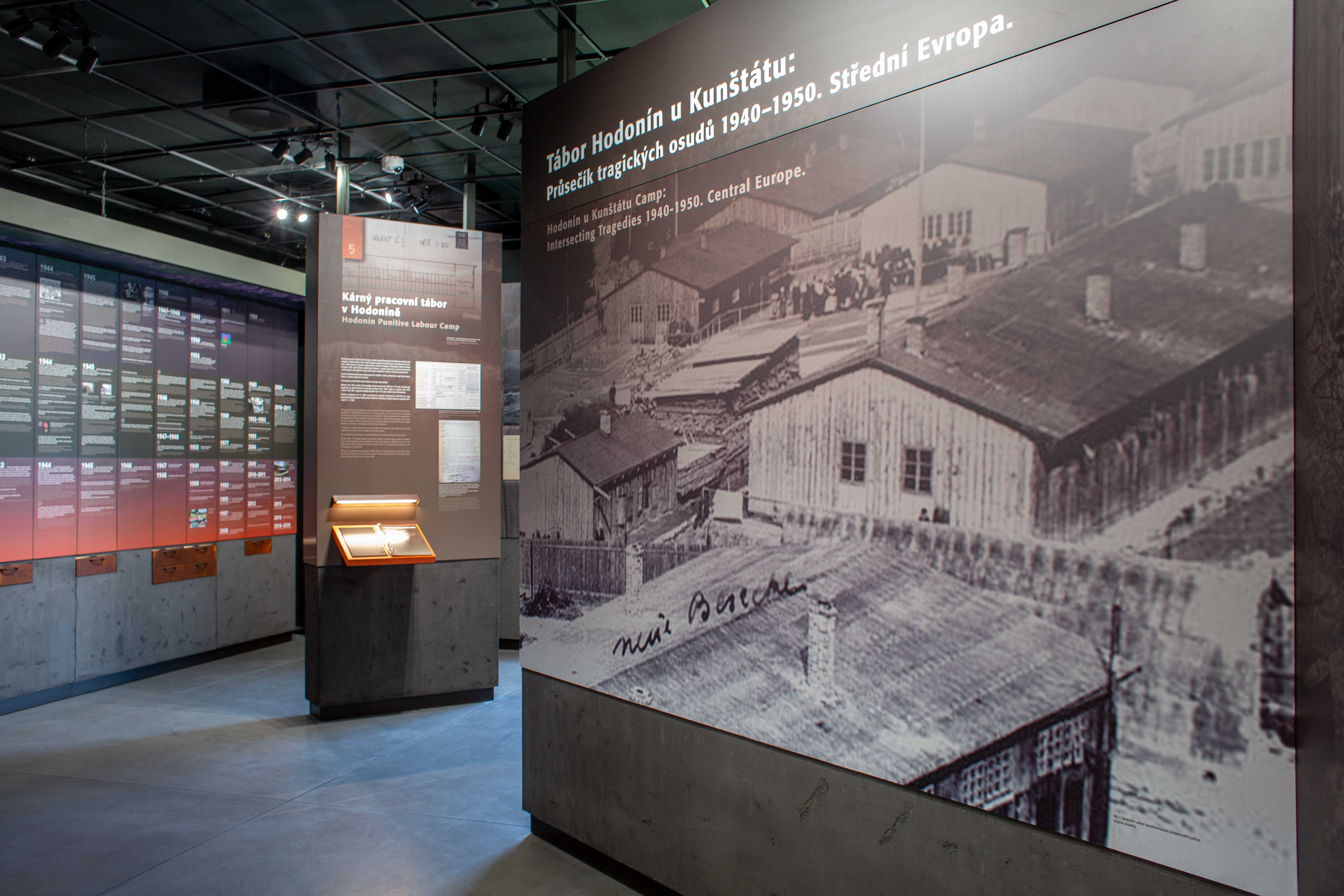
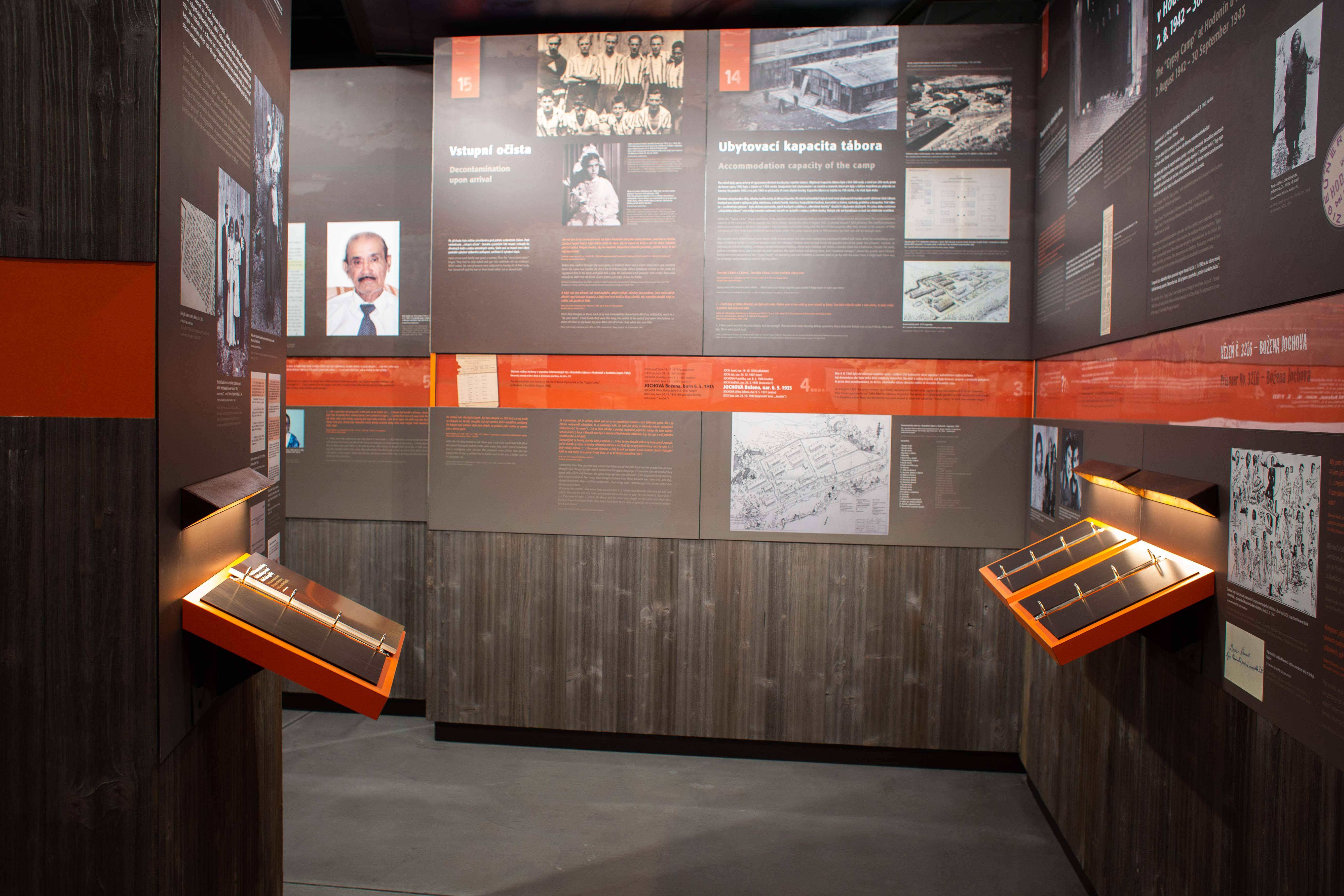
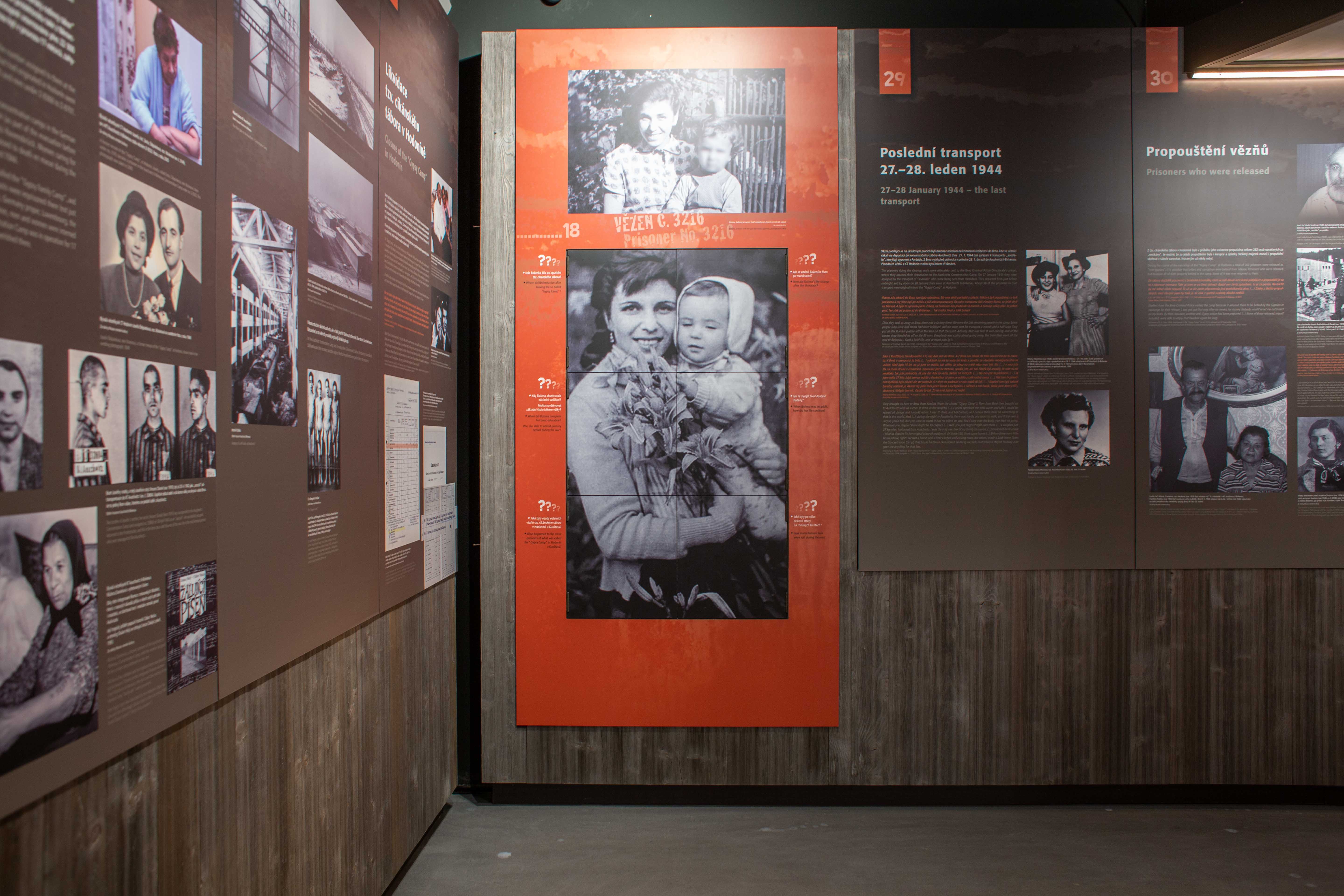
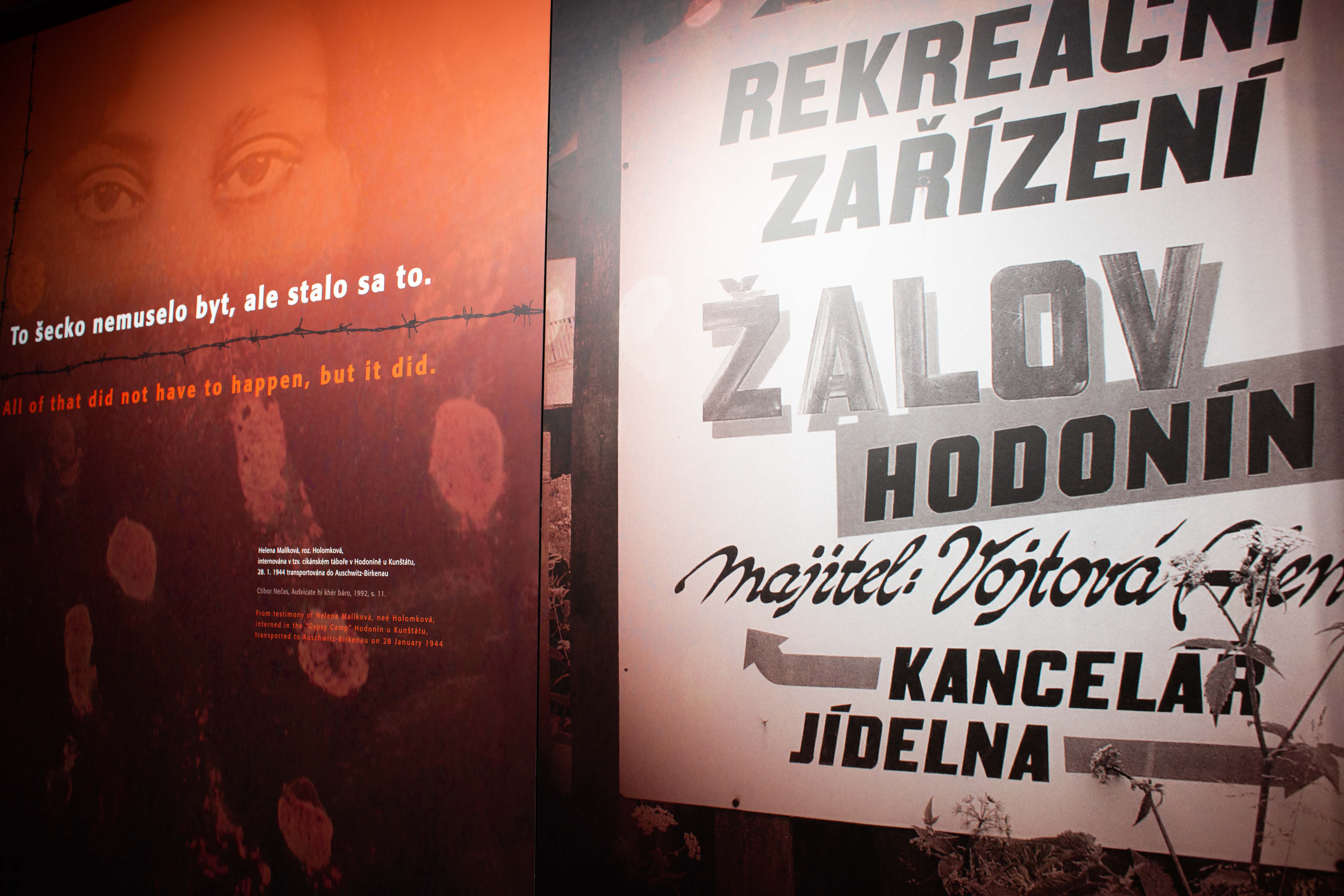
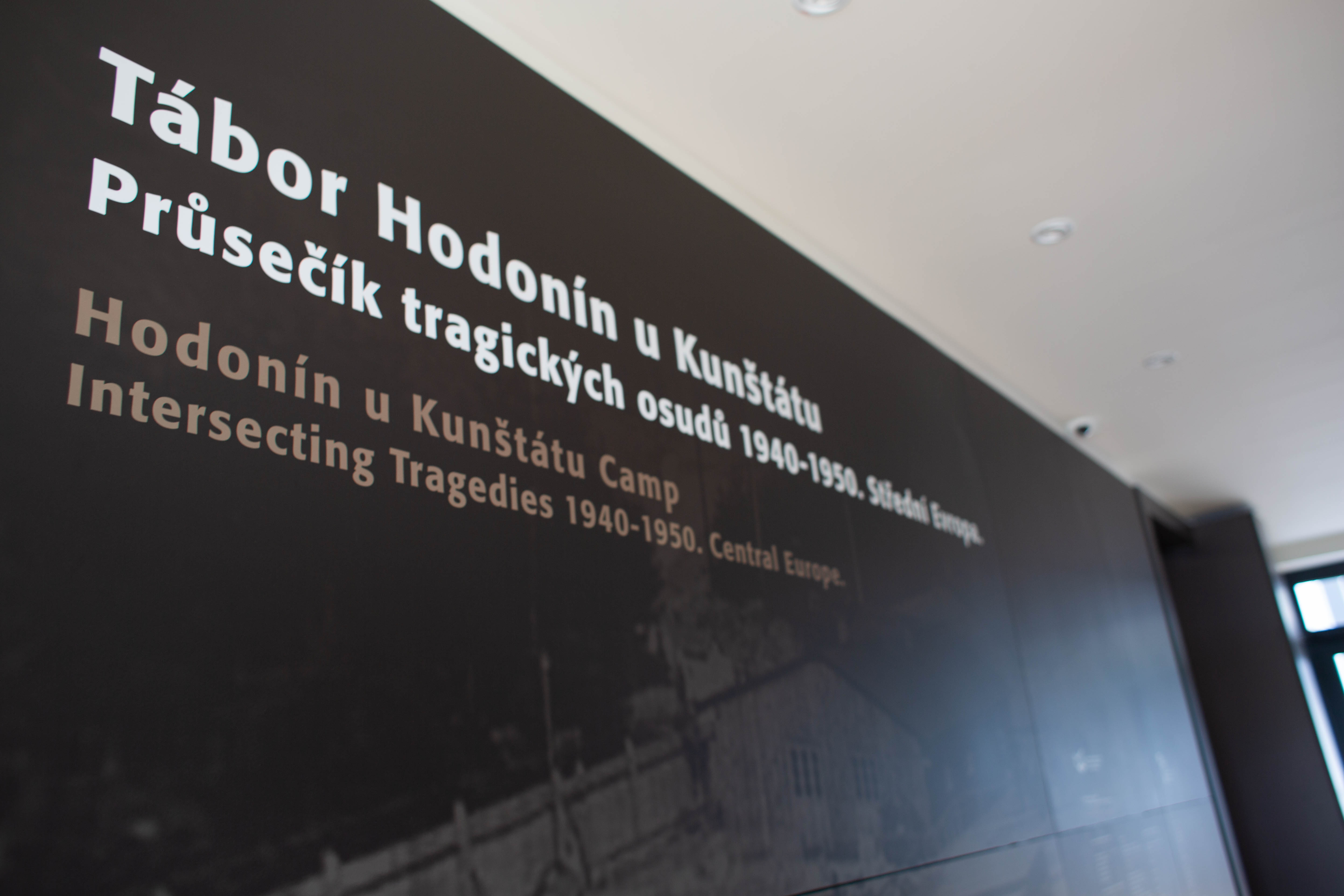
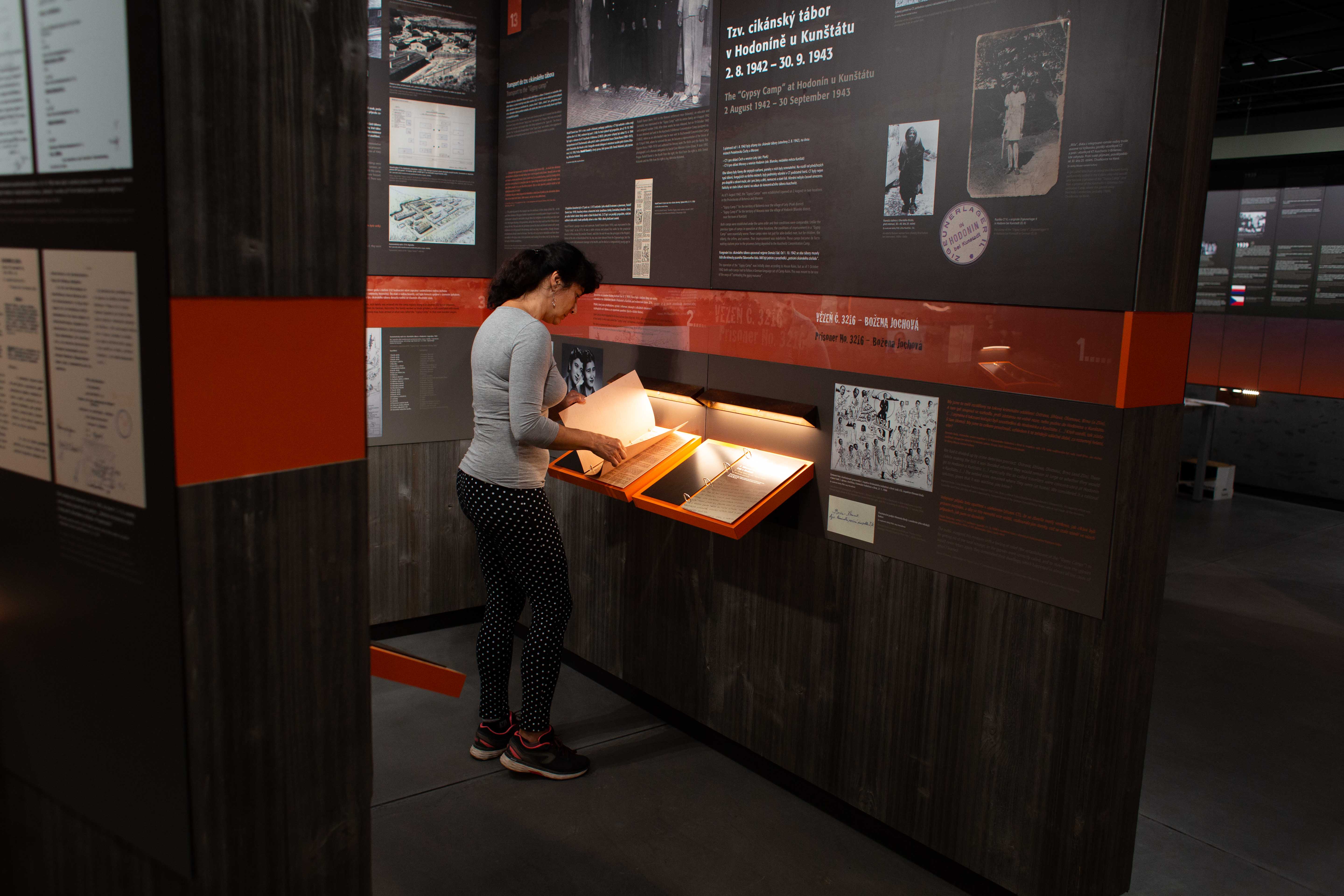
The memorial’s permanent exhibition opened to the public in 2021 and maps the history of the camp at Hodonín u Kunštátu from 1938 to the present day. It is dedicated to the volatile history of this locale – the shocking living conditions and everyday nature of what it was like to be imprisoned here are conveyed to visitors through period documents, photographs, and especially through the memories of eyewitnesses, mostly former prisoners. It is installed in the original building of the former Barracks for Prisoners and in the newly-built section of the multifunctional building on the grounds of the memorial.
The Building of the Information Centre
The exhibition’s main part is located in the Information Centre and includes a description of the history of the grounds in all of the various phases from 1938 to 2009, when the building was bought out by the state and the construction of the memorial started. Visitors can find information here on the following subjects:
Czechoslovakia during the interwar period (1918–1939)
A timeline of important events in the world, in the Protectorate of Bohemia and Moravia, and in Hodonín
The components of the exhibition are:
Barracks for the Prisoners
The replica of the Barracks for the Prisoners houses the part of the exhibition on the lives of the prisoners during the “Gypsy Camp” phase (their personal hygiene, diet, accommodation, work, health care, children in the camp, attempted escapes, etc.).
The original barracks were still standing until 2012. However, the state of repair (infested with wood-damaging insects and mould) meant it could not be reconstructed, so it was replaced with a replica dating to the Second World War. When building the replica, several elements of the original barracks were used (the chimneys, part of the beams in the truss, some of the boards).
Today what you can see here in particular is the washroom with its steel trough, the dormitory for prisoners with a series of bunk beds, and a smaller room for prison officials.
Another component of the exhibition in the Barracks for the Prisoners is audio recordings of testimonies by eyewitnesses to the camp (both prisoners and people who lived in the camp’s neighbourhood – eyewitnesses from Hodonín), organized by subject matter.
In addition to the exhibition, the former Barracks for the Guards is located near the entrance to the grounds of the former camp. That building is the only preserved structure from the original camp.
Its interior serves to showcase the widest possible range of temporary exhibitions which change annually (more information).
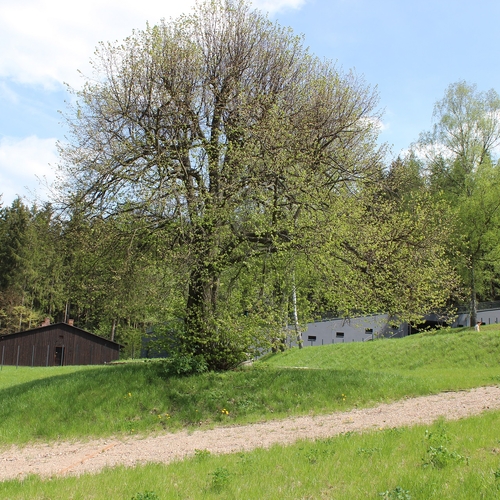
The cemetery in the forest, called Žalov, is also located in the vicinity of the former grounds of the camp, where most of the camp’s victims were interred. Today the site is a Cultural Heritage Monument.
The exhibition was created as a collaboration between activists, eyewitnesses, and Museum of Romani Culture staff. They continued the initial work begun by the J. A. Comenius National Library and Museum of Pedagogy.







MUSEUM OF ROMANI CULTURE
a state-subsidised organisation
Bratislavská 67
602 00 Brno
Tel.: +420 545 581 206
Tel.: +420 545 571 798
Brno:
Tuesday–Saturday: 10 AM–6 PM
Hodonín u Kunštátu:
April–October
Wednesday—Sunday : 10 AM—5 PM
Lety u Písku:
April–October
Thursday—Sunday : 10 AM—5 PM