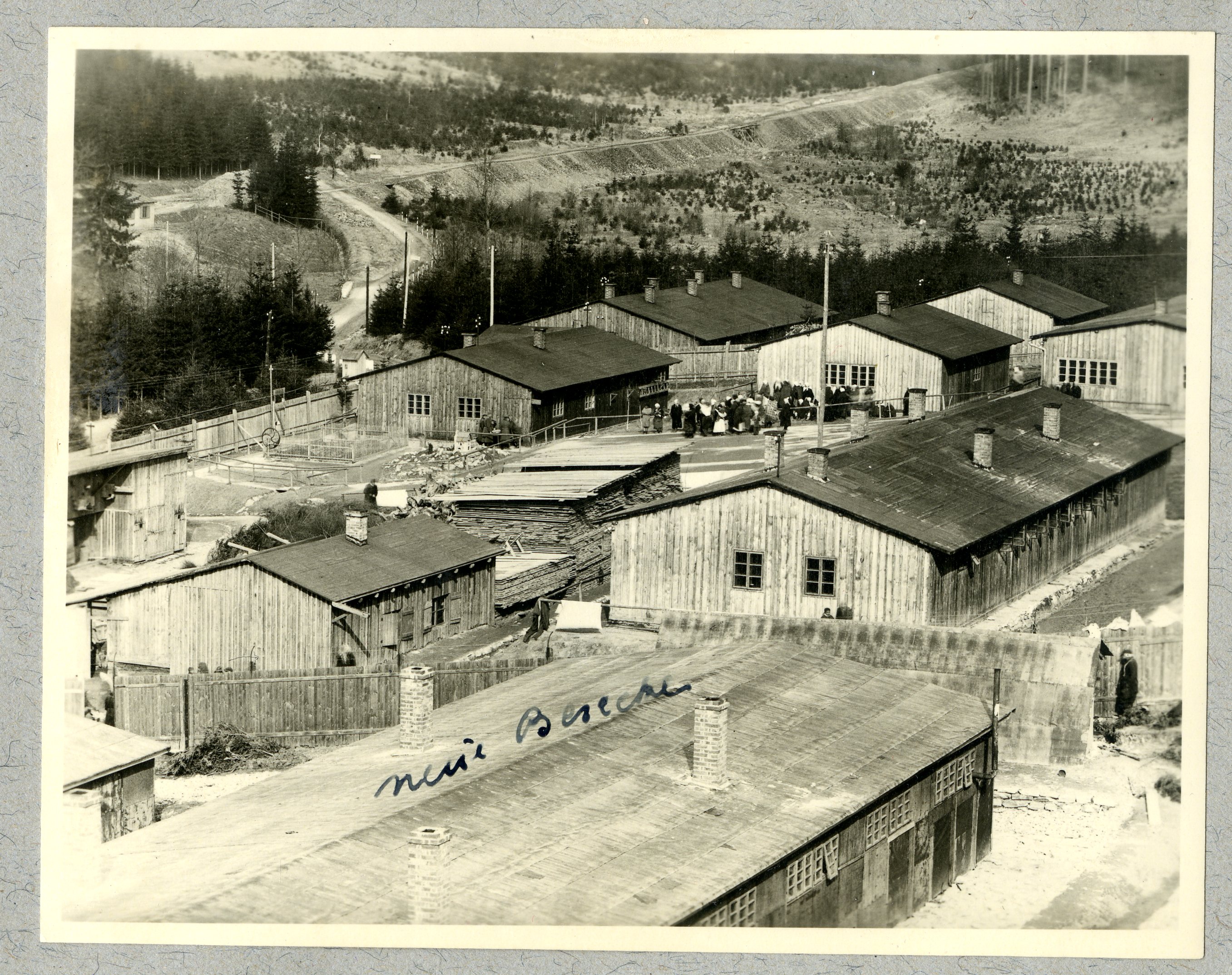
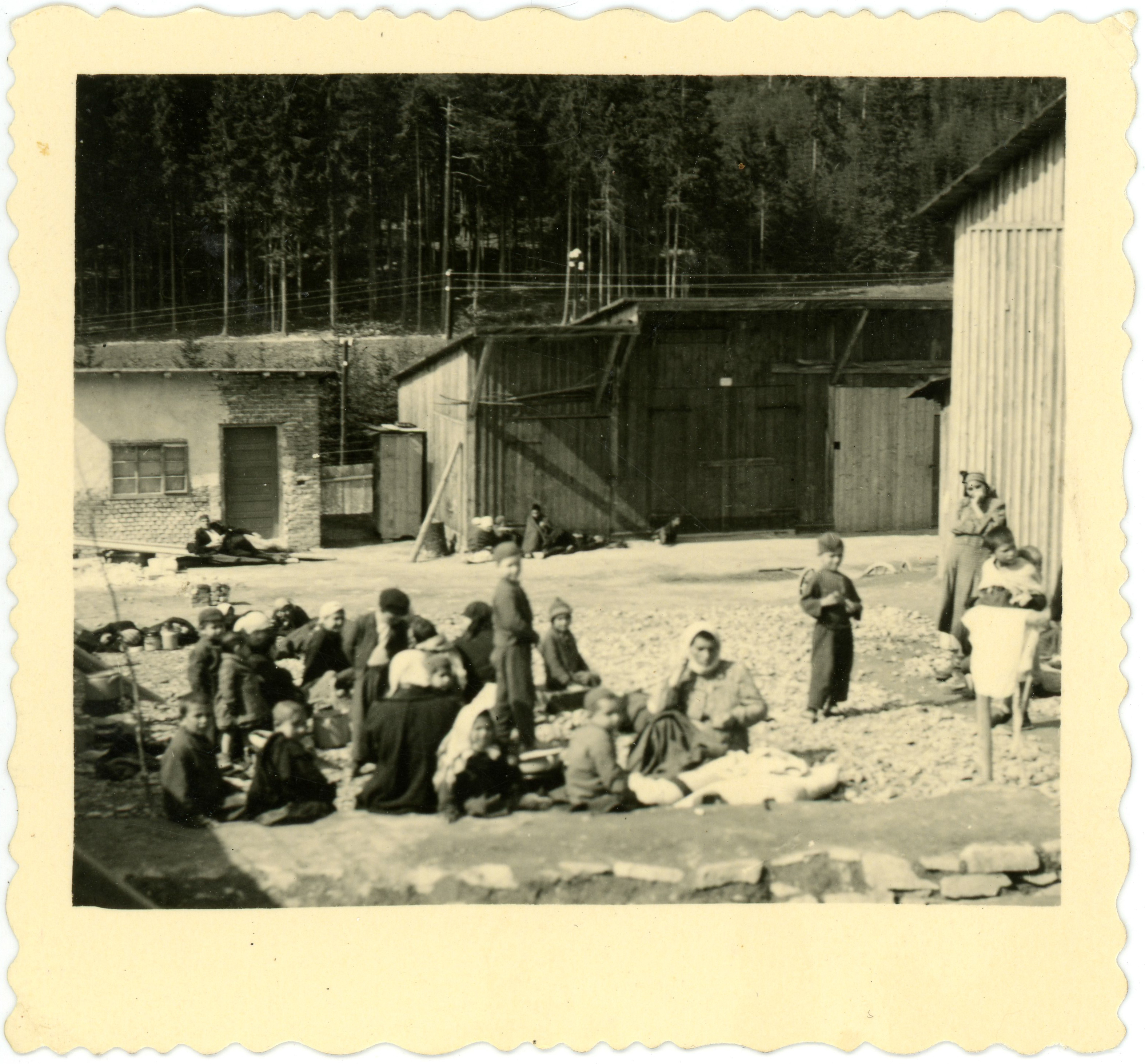
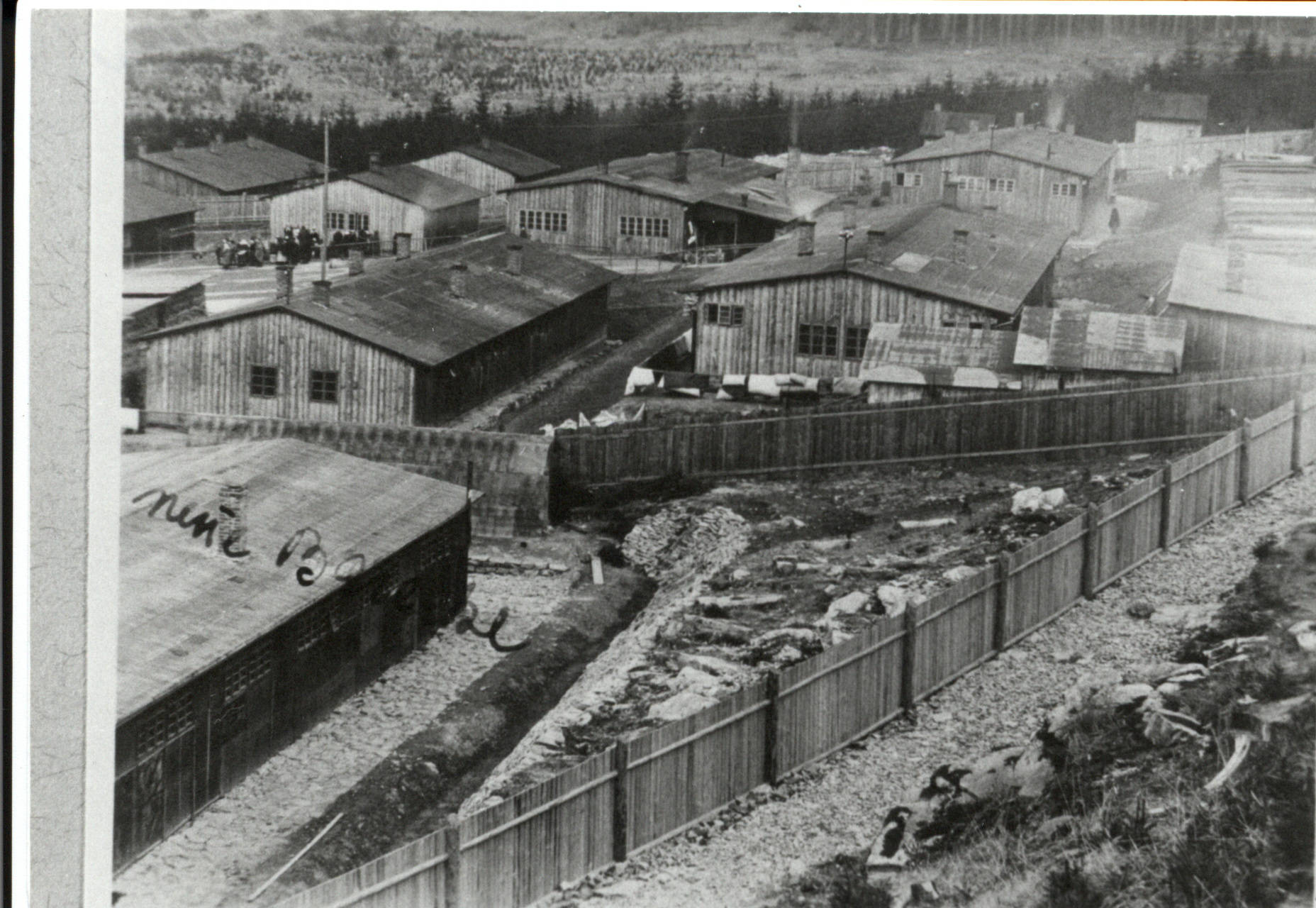
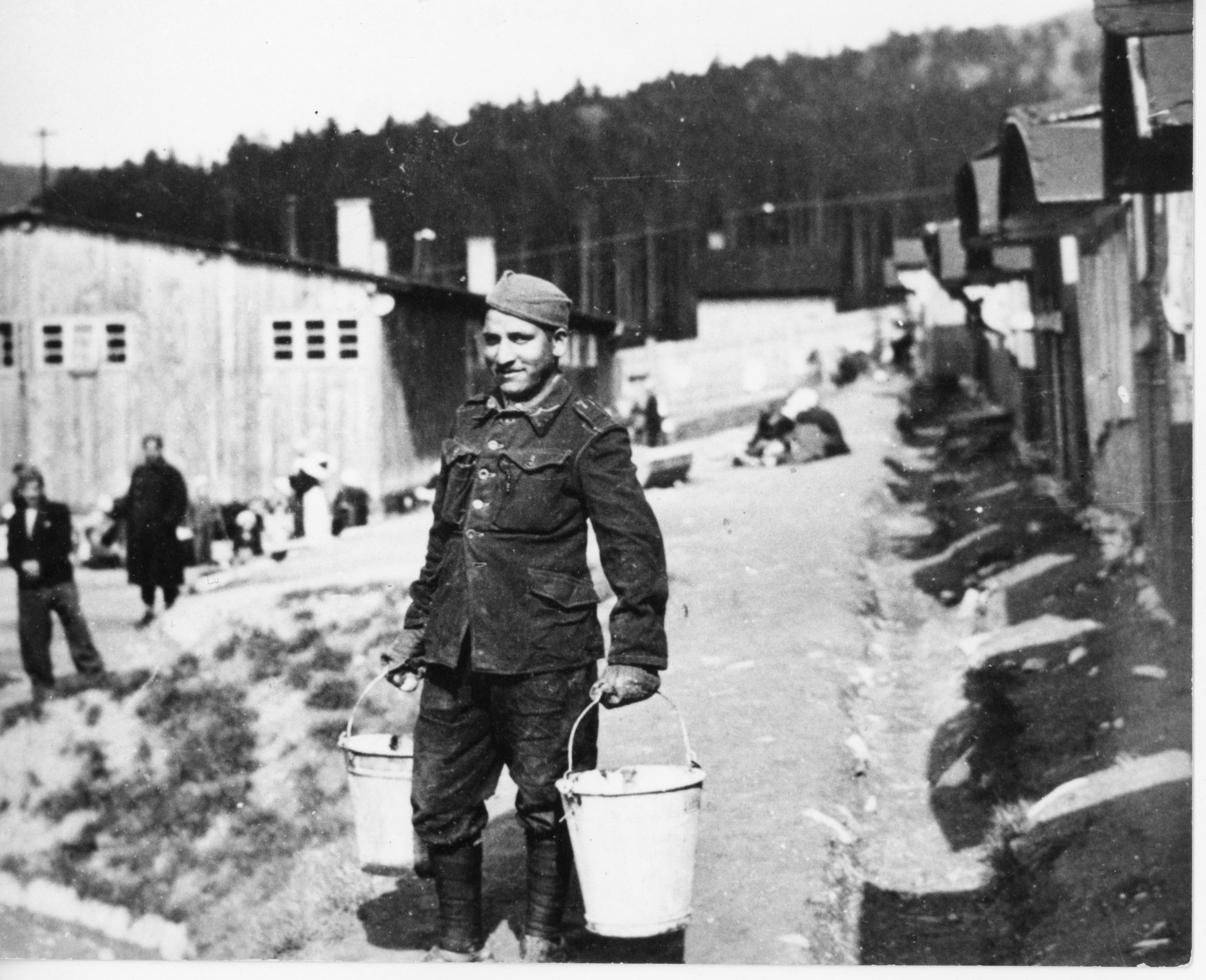
The “Gypsy Camp” at Hodonín u Kunštátu was opened in the Protectorate of Bohemia and Moravia on 2 August 1942. The establishment of this camp with the official designation of Zigeunerlager II was preceded by the proclamation of a regulation “on the elimination of the gypsy nuisance” in July 1942 (the regulation was a copy of a model from the German Reich that had applied to Nazi German territory since 1938), according to which a head count was undertaken of as many as 6,500 persons defined as “gypsies and gypsy half-breeds” on the territory of the Protectorate of Bohemia and Moravia (Zigeunerlager I had been opened in Bohemia at Lety u Písku). Some Romani and Sinti people and the families of persons who were considered to be “living in the gypsy way” were interned at the start of August 1942 exactly in these newly-opened “Gypsy Camps”.
The “Gypsy Camp” at Hodonín u Kunštátu replaced what had previously been a Penal Labour Camp (opened on 10 August 1940) and then an Internment Camp (as of 1 January 1942). The previous camps had served to implement the crooked social policy of interning able-bodied adult men for a limited amount of time who were considered “work-shy” or “asocial” so they could be exploited as a labour force. Of the 1,032 persons serving such punishments, the camp records listed 167 (i.e., 16 %) labelled with the letter C for “cikáni” (“gypsies”).
This camp at Hodonín had a capacity for 300 persons in the summer and 200 in the winter. During August 1942, however, police patrols escorted more than 1,000 families, most of them Romani, including children, the elderly, and women, to the camp. The absolutely insufficient accommodation conditions in the camp were somewhat ameliorated by building extensions to the camp and by housing the internees in tents and the confiscated wagons in which some of the forced inhabitants of the camp had travelled to Hodonín; however, these measures never fully resolved the problem.
Those interned here were subjected to a degrading intake ritual upon arriving at the camp, which involved their being registered, all of their assets and valuables being confiscated, and then their being shaved and deloused. All persons including children age 10 and older were subject to labour obligations performed either inside the camp, in the nearby quarry, or on building the section of the highway between Moravská Ostrava and Plzeň.
The “Gypsy Camp” operations and the surveillance of those interned there were performed by Czech staff, comprised most frequently of former gendarmes. For most of this camp’s existence it was managed by a former First Lieutenant of the gendarmerie, Štěpán Blahynka. A large part of the interaction with the internees, including the performance of physical punishments, was entrusted to members of the prison’s self-administration, chosen from the ranks of the prisoners or from persons brought to the camp for that purpose from the Auschwitz I Concentration Camp.
In addition to the absolutely insufficient accommodation conditions, the prisoners suffered from a lack of nutrition, a lack of drinking water or water for personal hygiene, the hard physical labour they performed, and the violence to which they were subjected by the guards and other members of the camp’s self-administration.
The catastrophic conditions for the prisoners living in the camp negatively impacted their health, the children especially. Of the 73 victims of the Hodonín Camp buried in the parish cemetery in nearby Černovice between August 1942 and January 1943, most were children in particular. In the winter of 1942/43 an epidemic of typhoid fever broke out in the camp.
On 7 January 1943, representatives of the Inspector of the Plainclothes Protectorate Police were ordered to start burying the dead in mass graves near the camp at the site later called Žalov. The increasing number of the dead eventually resulted in the camp as a whole being put under quarantine on 17 February 1943.
Throughout the existence of the “Gypsy Camp” at Hodonín u Kunštátu (2 August 1942–30 September 1943), according to the available sources, 1,396 children, men and women, predominantly Romani people from Moravia, were imprisoned there. At least 207 of those interned at the camp did not survive their stay. There were 67 prisoners of the Hodonín camp who attempted to save their lives by escaping; most failed. There were 262 persons released from the camp, mostly because they were labelled “non-gypsies” on the basis of racialized perspectives.
On the basis of the Auschwitz Decree from Heinrich Himmler on 16 December 1942, “gypsies and gypsy half-breeds” were meant to be transported from the countries of Central and Western Europe under the direct control of Nazi Germany to the Auschwitz II-Birkenau Concentration and Extermination Camp. This regulation also applied to Roma and Sinti in the Protectorate, including those concentrated in the Hodonín camp. On 7 December 1942, 91 persons were sent to the Auschwitz I Concentration Camp from the Hodonín camp as part of a transport of “asocials”. From the night of 21 August 1943 to the early morning hours of 22 August 1943 a large transport of 749 prisoners was undertaken to the Auschwitz II-Birkenau Concentration and Extermination Camp. Most of those prisoners transported to the Nazi concentration camps perished in them. The 25 remaining prisoners at the Hodonín camp worked on clearing it out and were also transported to Auschwitz on 28 January 1944.
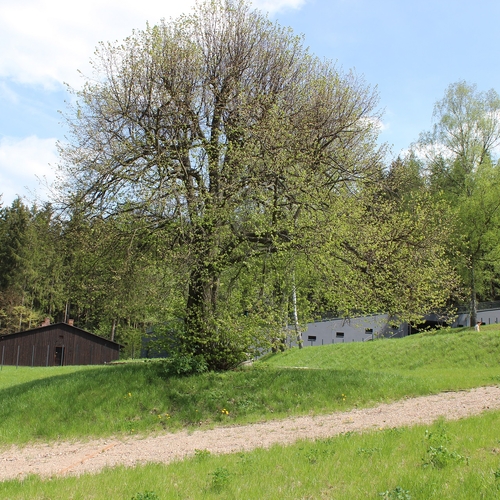
After the deportation of the Roma, the Hodonín camp continued to be used. Wehrmacht units trained there, and later the Red Army headquartered a military hospital there and soldiers from the Army of the Kingdom of Romania also used the camp. In 1946, elderly Germans who could not be deported from Czechoslovakia were interned in the camp; 80 died there. Between 1949 and 1950 a forced labour camp was installed here for opponents of the Communist Party’s regime. For many long decades the grounds of the former camp were then used for recreational purposes.
After the Second World War, the camp’s victims were commemorated for quite some time just by a simple cross of birchwood and a stone inscribed “Žalov obětí nacismu” (“Žalov, to the victims of Nazism”) installed at the site of the mass graves near the former camp. On 18 March 1973, the first public commemorative ceremony ever was held there, organized by the Union of Gypsies/Roma (1969–1973). The Museum of Romani Culture then resumed that tradition in 1995, annually holding the commemorative gathering on whichever Sunday fell closest to 21 August. The Museum of Romani Culture and the Hodonín Municipal Authority erected a cross in 1997 at Žalov. The Romani sculptor Eduard Oláh (1955–2018) designed that memorial. In 1998, the Museum of Romani Culture installed a memorial plaque at the cemetery in Černovice designed by the artist Božena Přikrylová, who is of Romani origin and visually impaired.







MUSEUM OF ROMANI CULTURE
a state-subsidised organisation
Bratislavská 67
602 00 Brno
Tel.: +420 545 581 206
Tel.: +420 545 571 798
Brno:
Tuesday–Saturday: 10 AM–6 PM
Hodonín u Kunštátu:
April–October
Wednesday—Sunday : 10 AM—5 PM
Lety u Písku:
April–October
Thursday—Sunday : 10 AM—5 PM